6035 Hollywood Blvd · Est. 1967
From the Hollywood underground of 1967 to a Grammy on the wall in 2018. The room has always attracted the records worth making.
The Building
Every era brought different music. The address never changed.
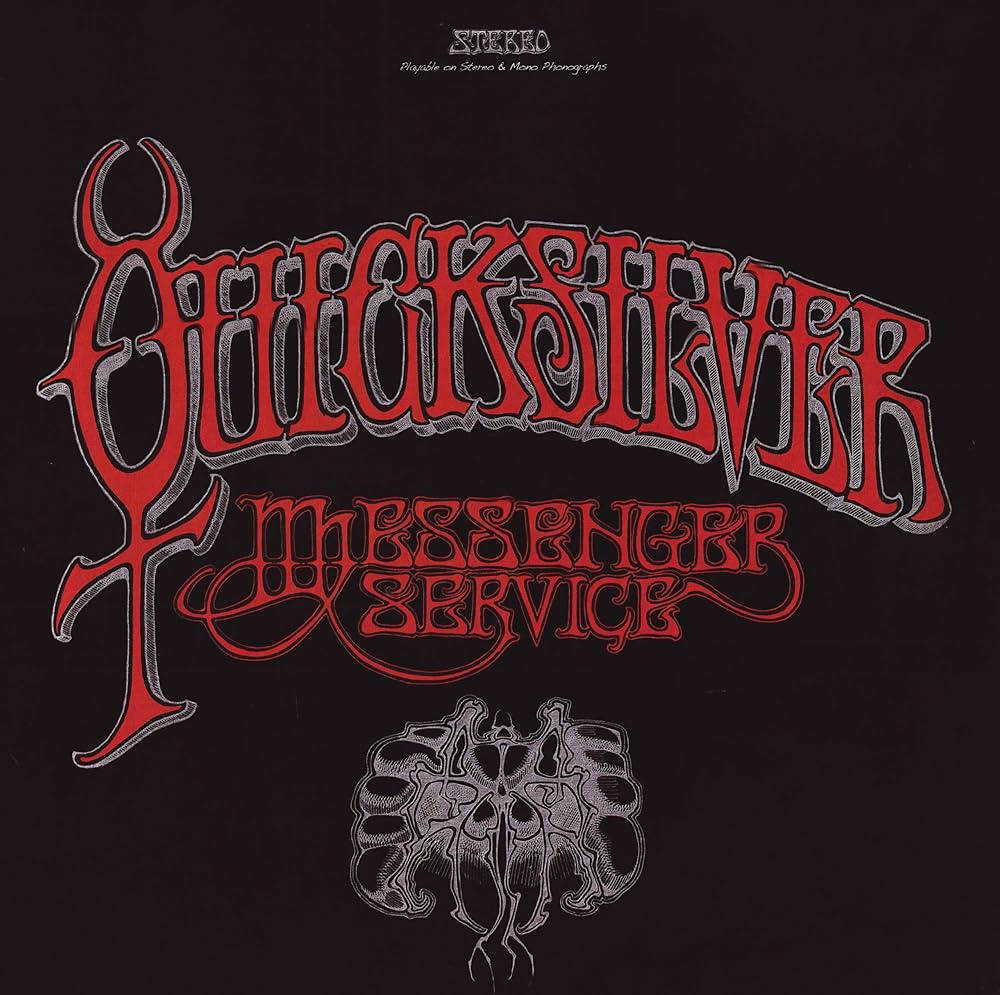
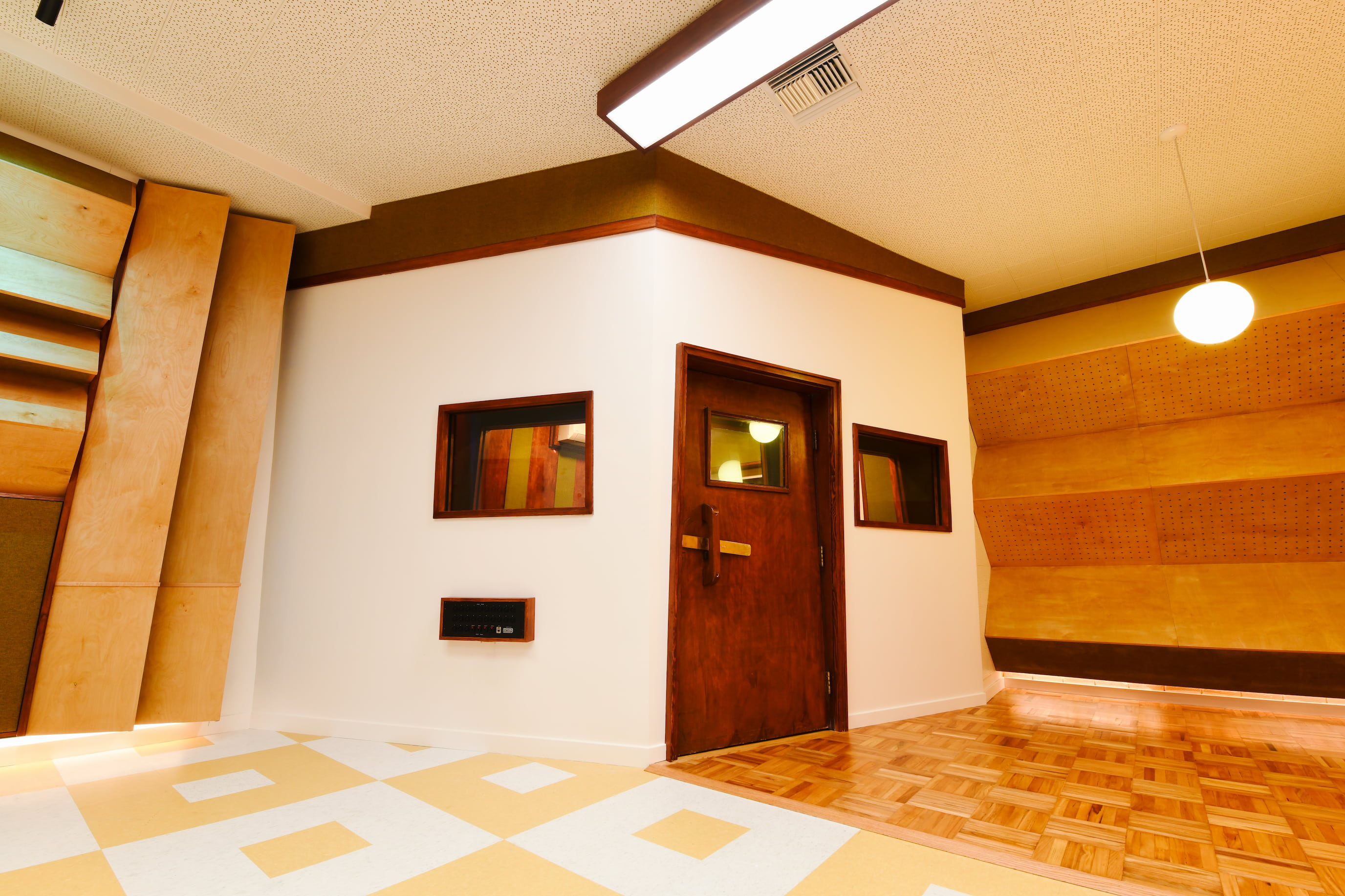
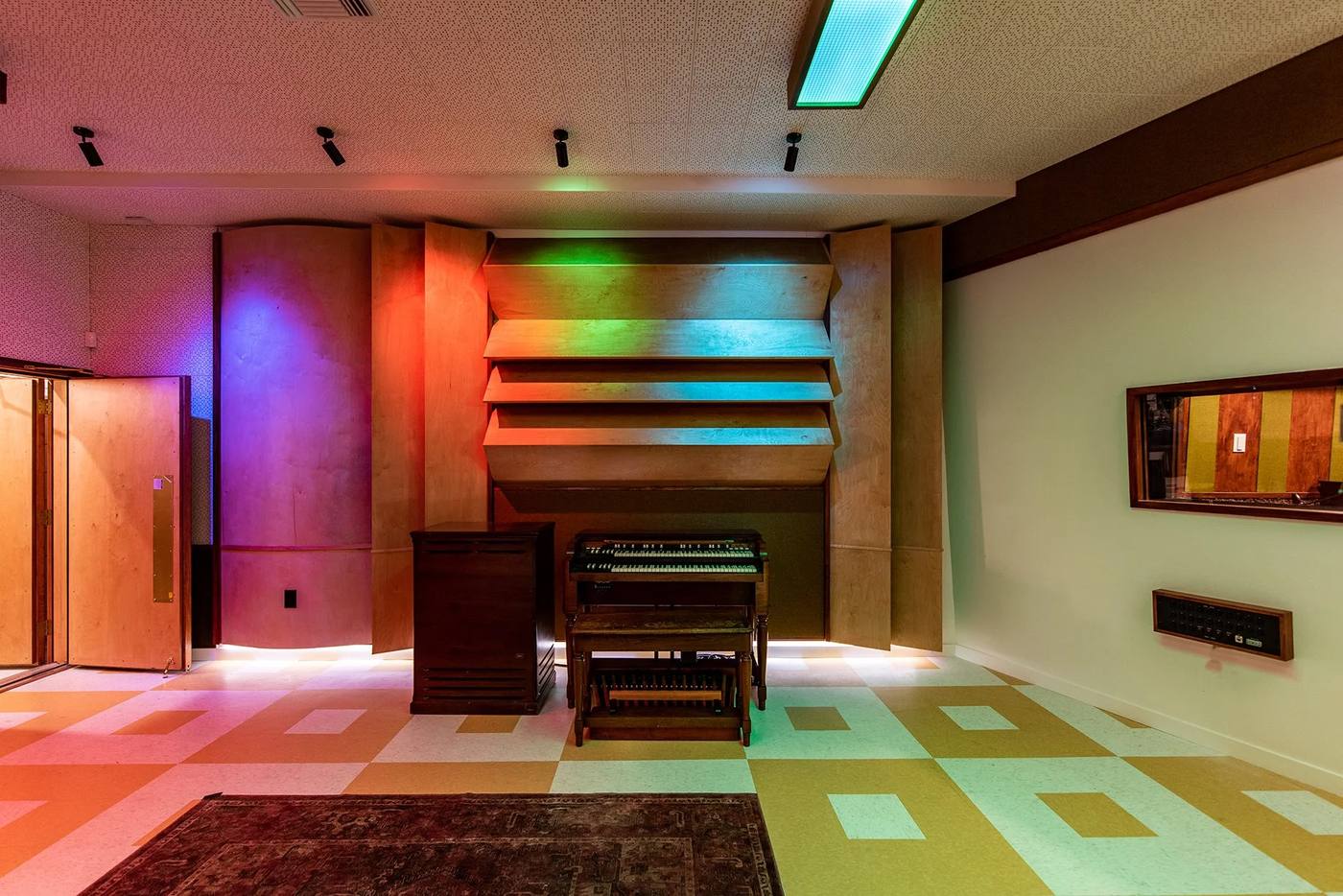
The room was born into the Hollywood psychedelic underground. Continental Sound Recorders opened its doors in 1967 at 6035 Hollywood Boulevard — a small, focused studio in a neighborhood thick with music. The early sessions were raw, live-to-tape, and often late at night. The acts were local, the sounds were experimental, and the room was already developing a personality of its own.
It didn't last long in this form, but it planted the address on the map.
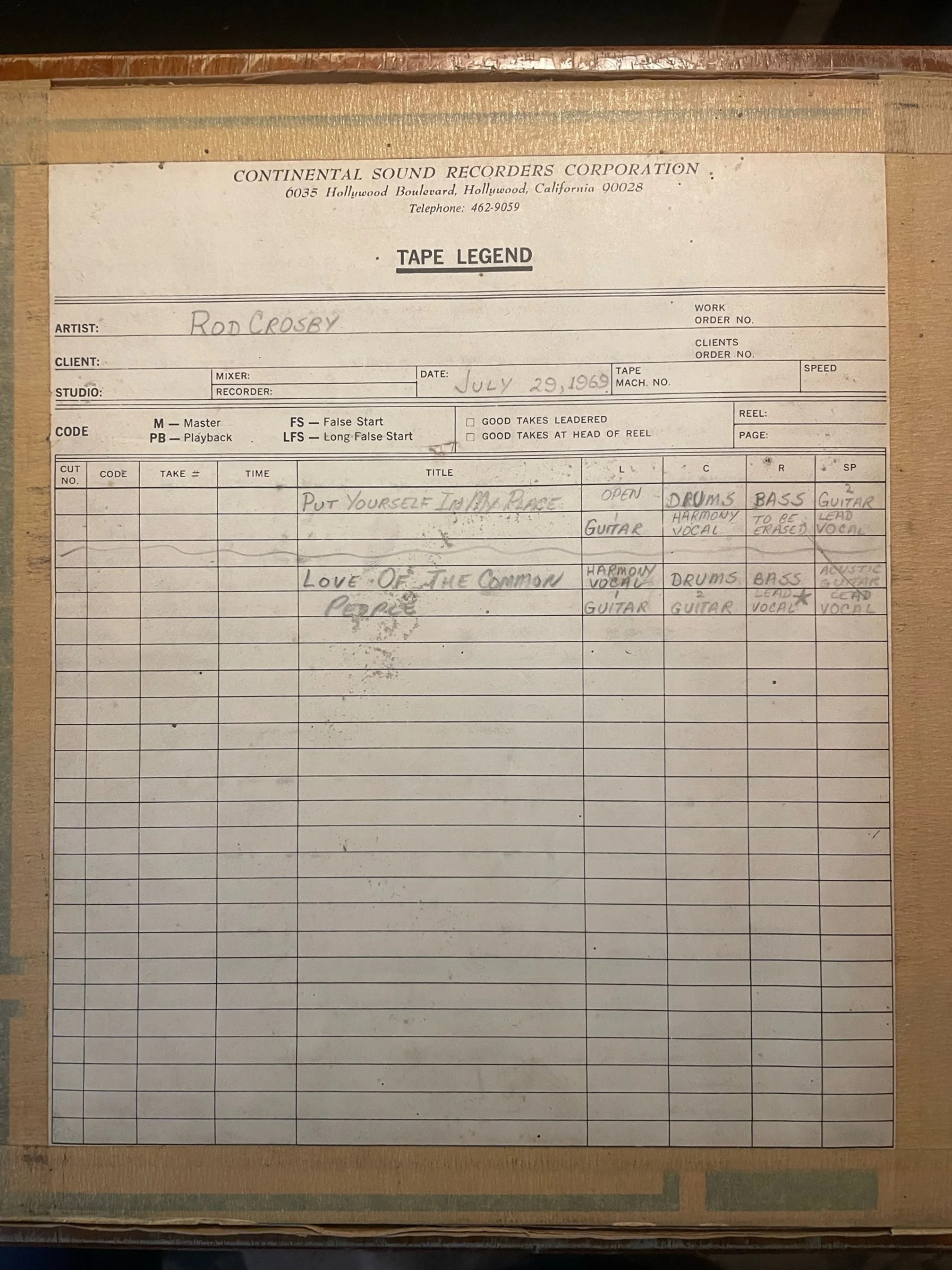
Around 1970, the studio was acquired by Seymour Heller — manager of Liberace — and renamed Producer's Workshop. It became home to AVI Records and a hub for some of the most commercially successful sessions in Hollywood history. The room stopped being a local secret and started becoming a destination.
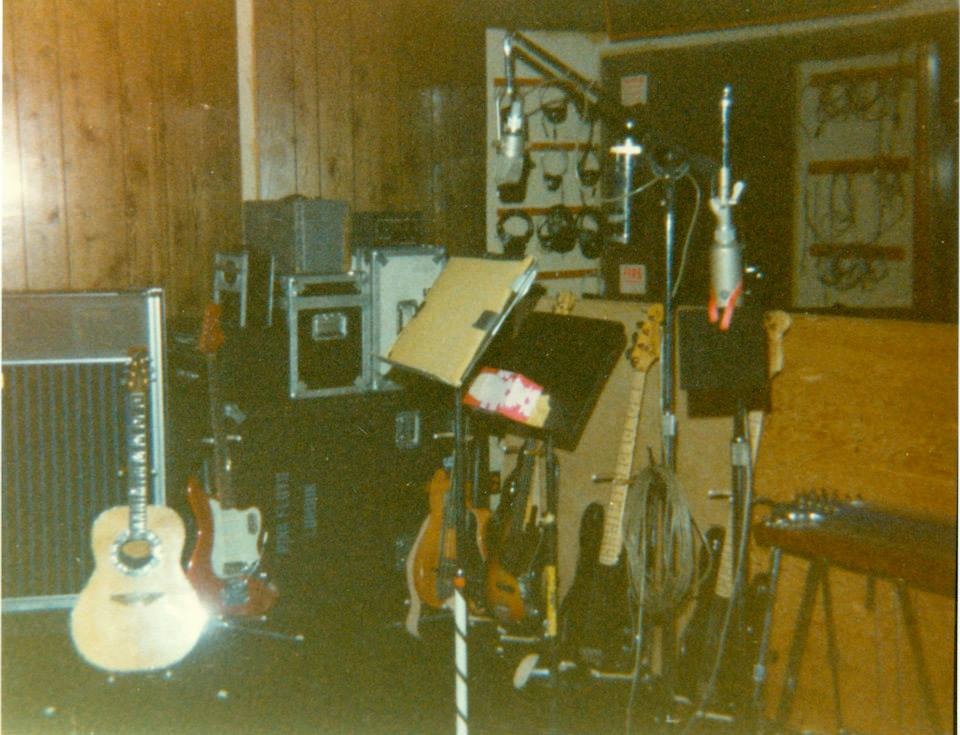
Ringo Starr tracked his first two solo albums here, with guest appearances from every other Beatle. Steely Dan laid down most of the basic tracks for Aja and Gaucho in this room. Fleetwood Mac mixed Rumours here. Pink Floyd completed and mixed The Wall here. The list reads like a greatest hits of the 1970s.
For fifteen years, this was one of the most recorded rooms in Los Angeles — and almost nobody outside the industry knew its name.
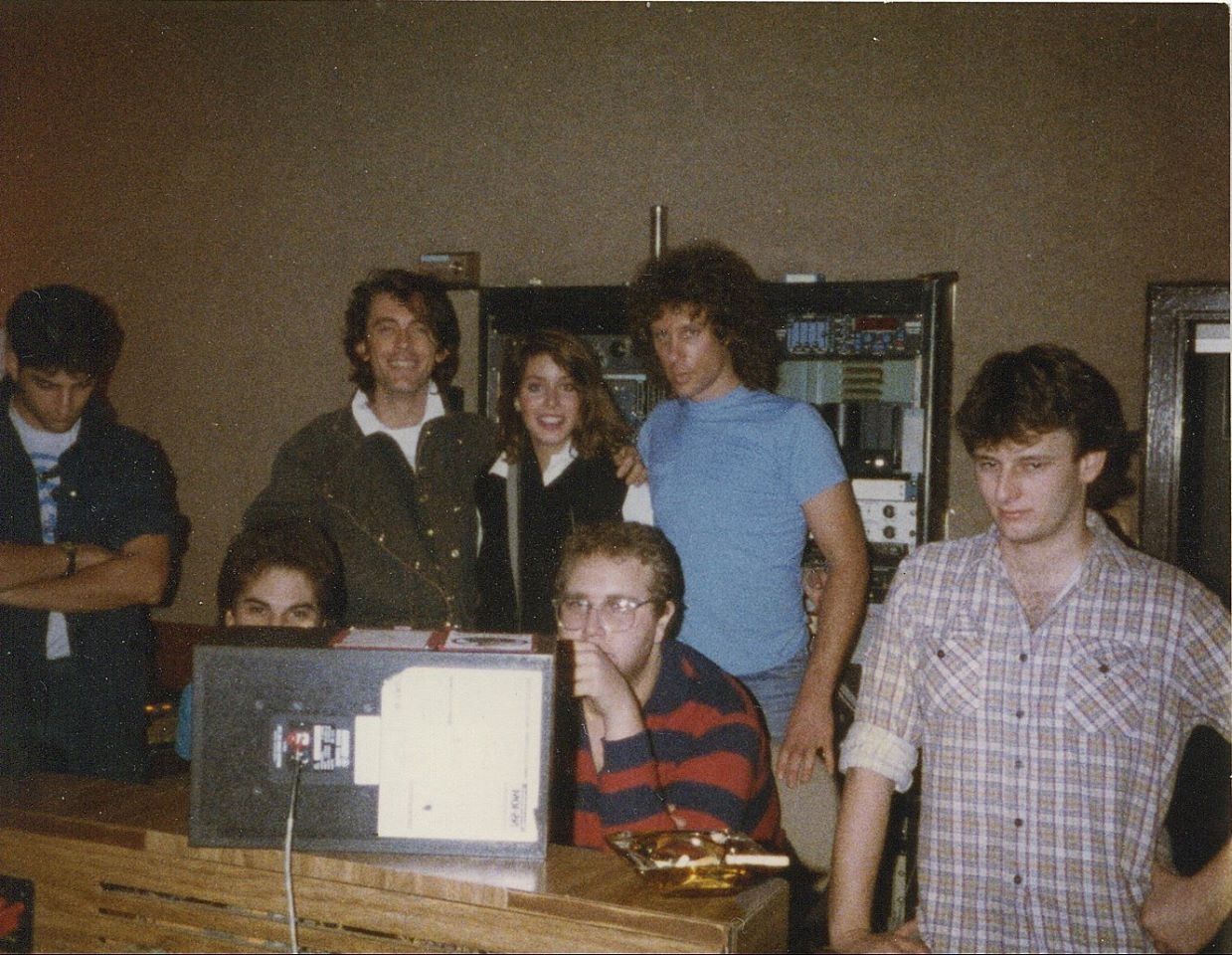
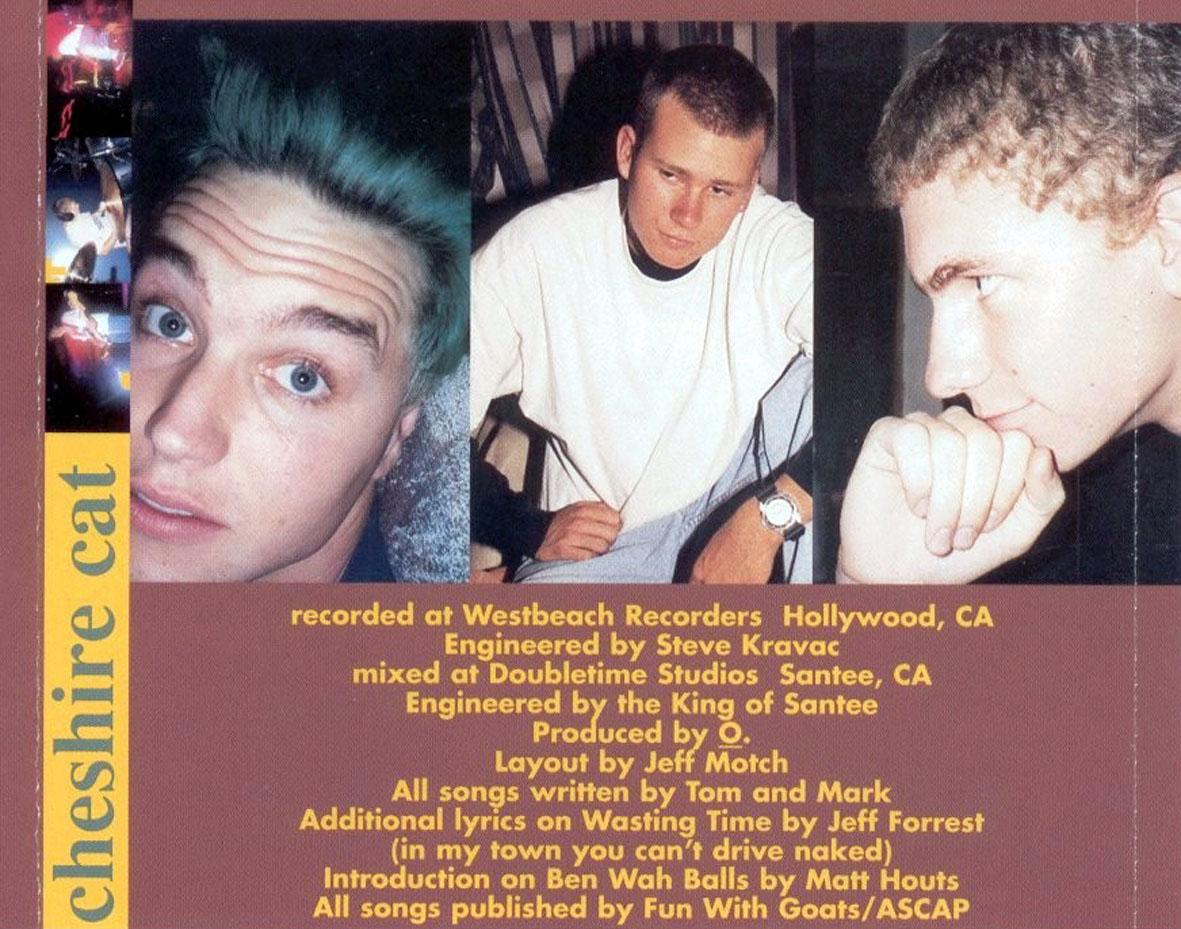
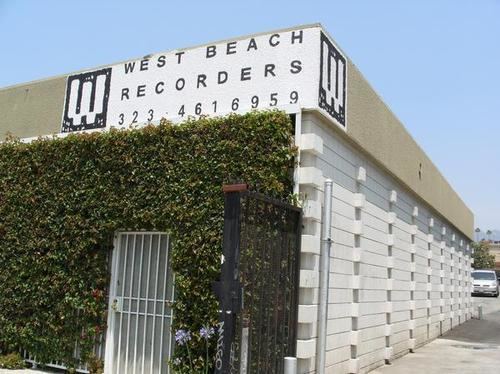
In the mid-1980s the room changed hands again — this time to Brett Gurewitz, guitarist of Bad Religion and founder of Epitaph Records. Renamed Westbeach Recorders, it spent two decades as the beating heart of West Coast punk and alternative rock. If it came out on Epitaph, it probably came through here.
Blink-182 recorded their early records here. Bad Religion, Rancid, NOFX, and The Offspring all called it home. Mazzy Star's Fade Into You — one of the most enduring songs of the decade — was captured in this room. For a long stretch, this address was where independent music in Los Angeles got made.
Westbeach closed around 2008. The room sat quiet for a few years. Then it got a new name.
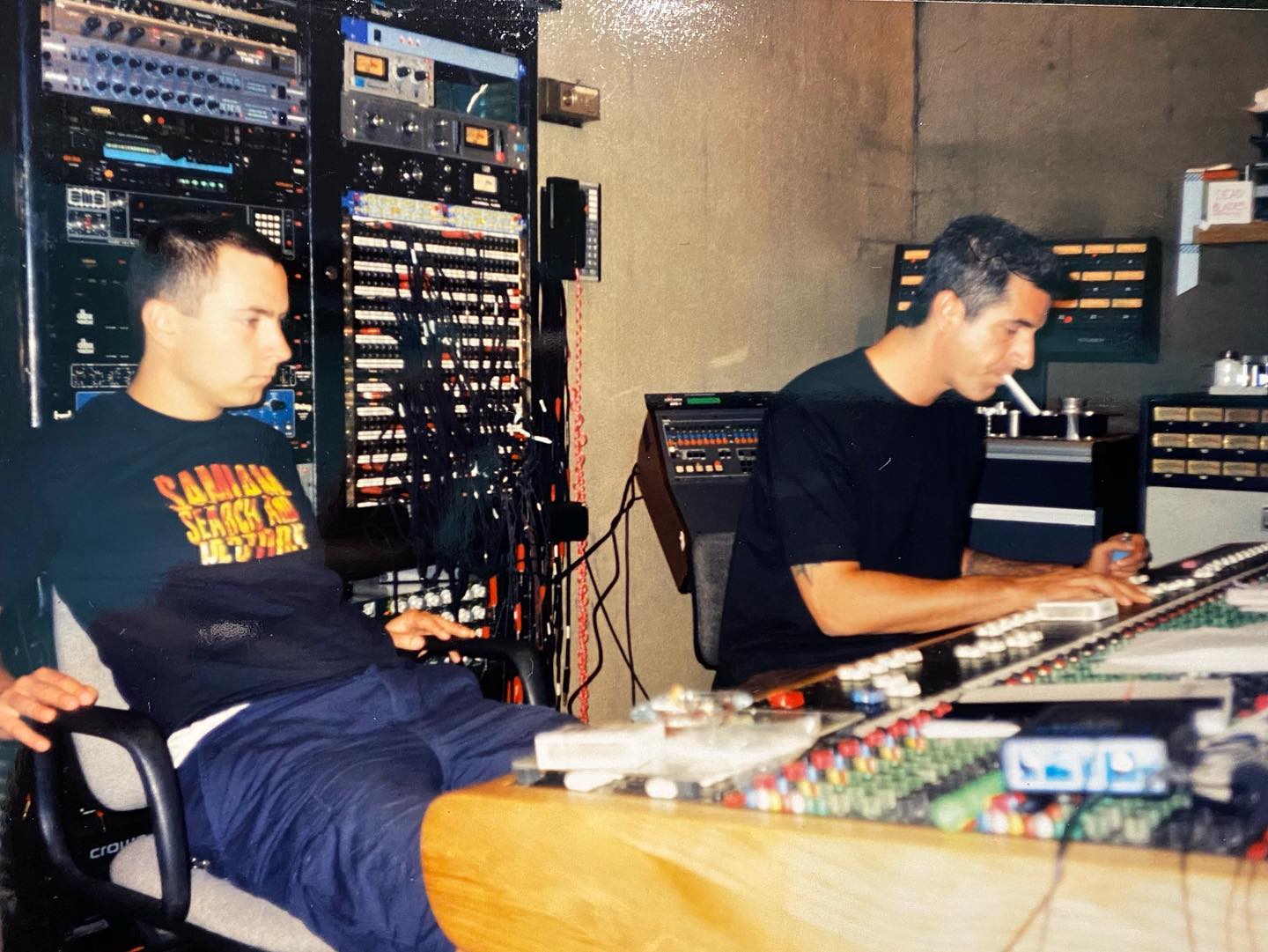
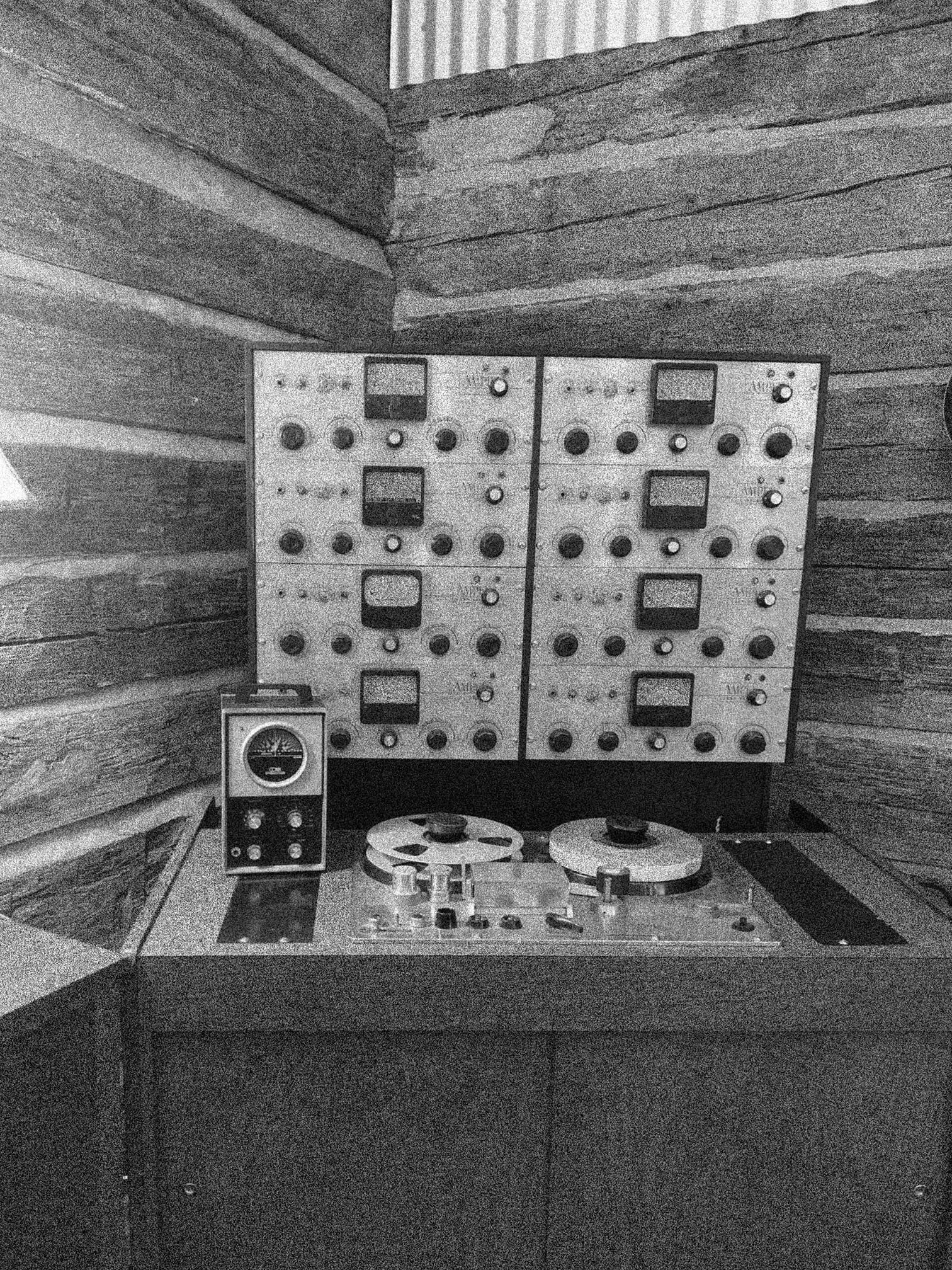
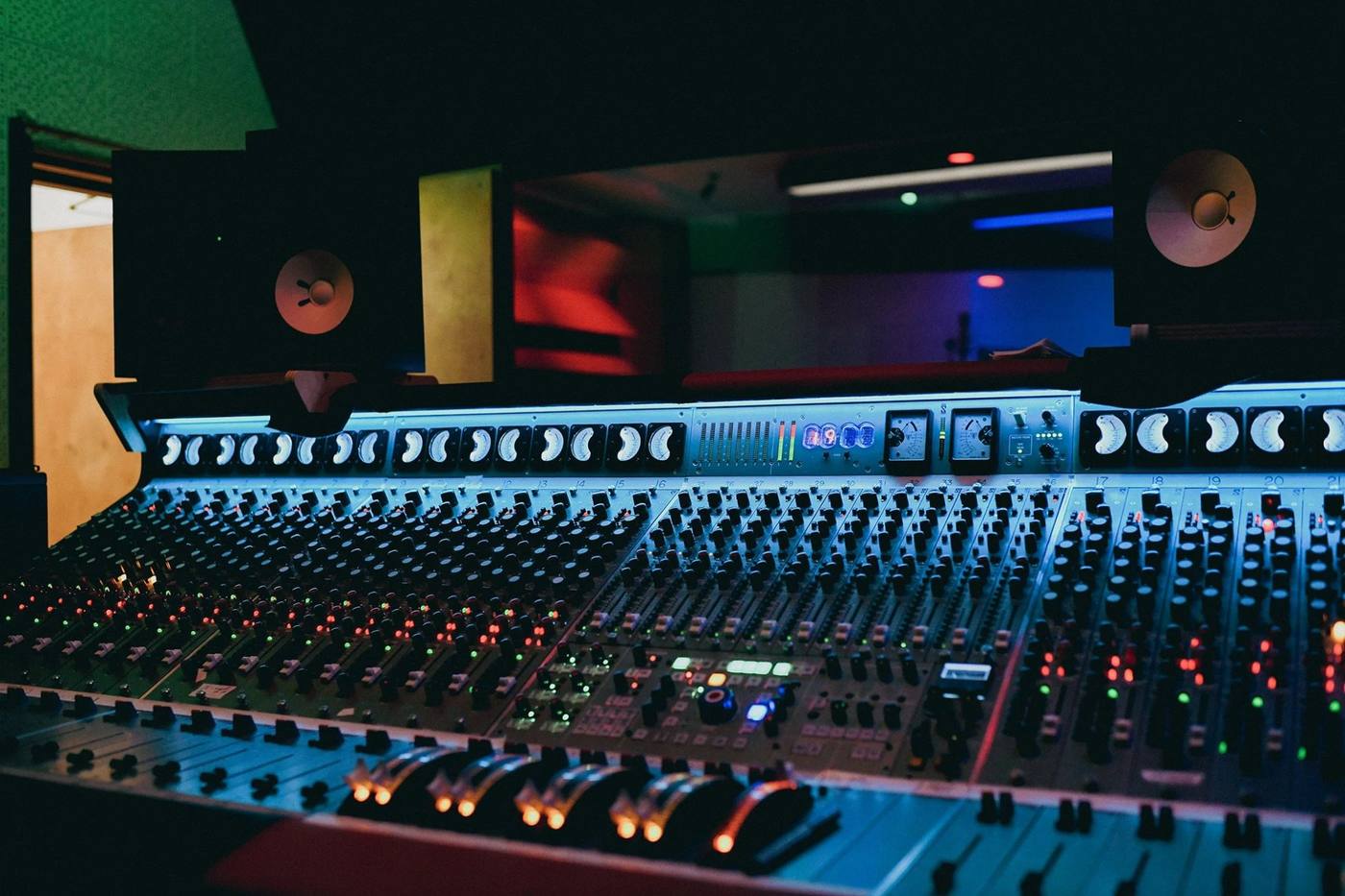
In 2011, Clay Blair took over the room and renamed it Boulevard Recording. He brought in the Sound Techniques ZR36 — one of fewer than twenty of its kind in existence — and picked up where the address left off. The history didn't reset. It just kept going.
The Grammy came in 2018 with The War on Drugs. Then Sam Fender's People Watching debuted at #1 in the UK and won the Mercury Prize. The room kept working. It still is today.
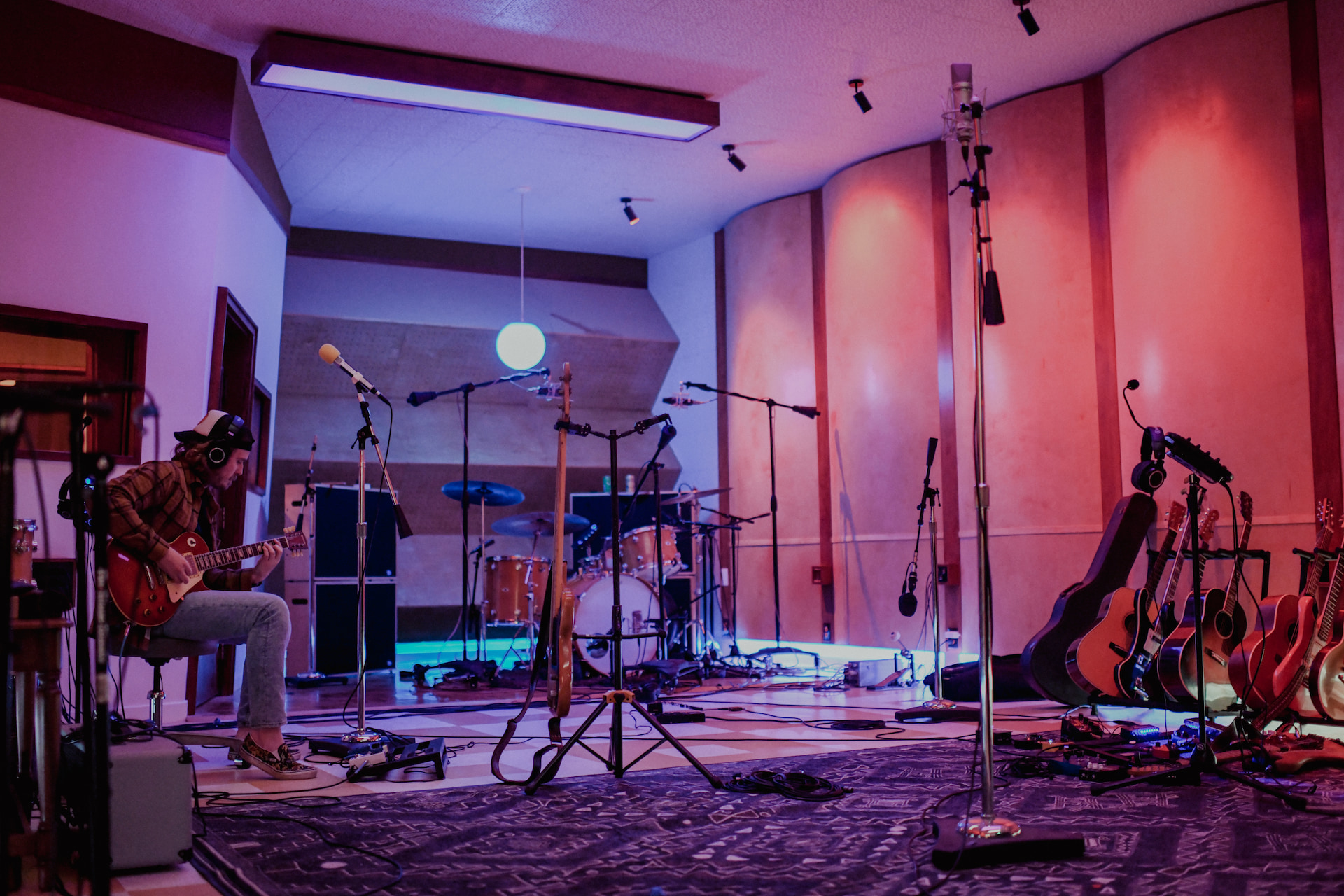
The Current Chapter
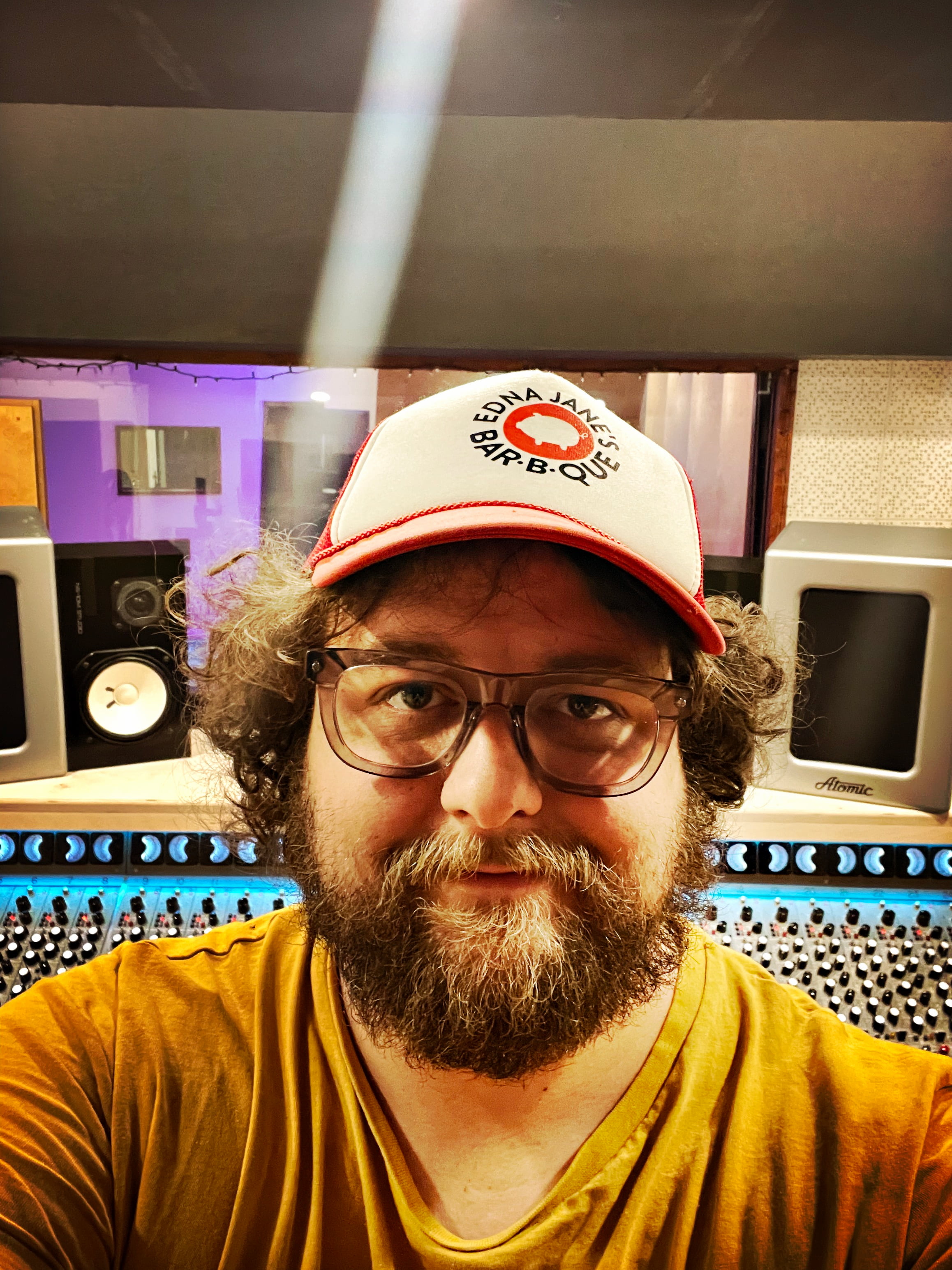
Clay Blair
Grammy-Winning Engineer · Owner since 2011
Clay Blair grew up in Asheville, North Carolina, teaching himself to record at fourteen — replaying every part of Beatles songs into a cassette deck in his parents' basement. That obsession never left. It just got a better room.
After years at Altamont Recording and Echo Mountain Recording in Asheville, Clay moved to Los Angeles and found the address. He's been here since 2011 — taking care of the room, taking care of the records, and doing the work.
His mix and engineering credits are at clayblair.com.
The Team
Every great room runs on great people
Studio Manager
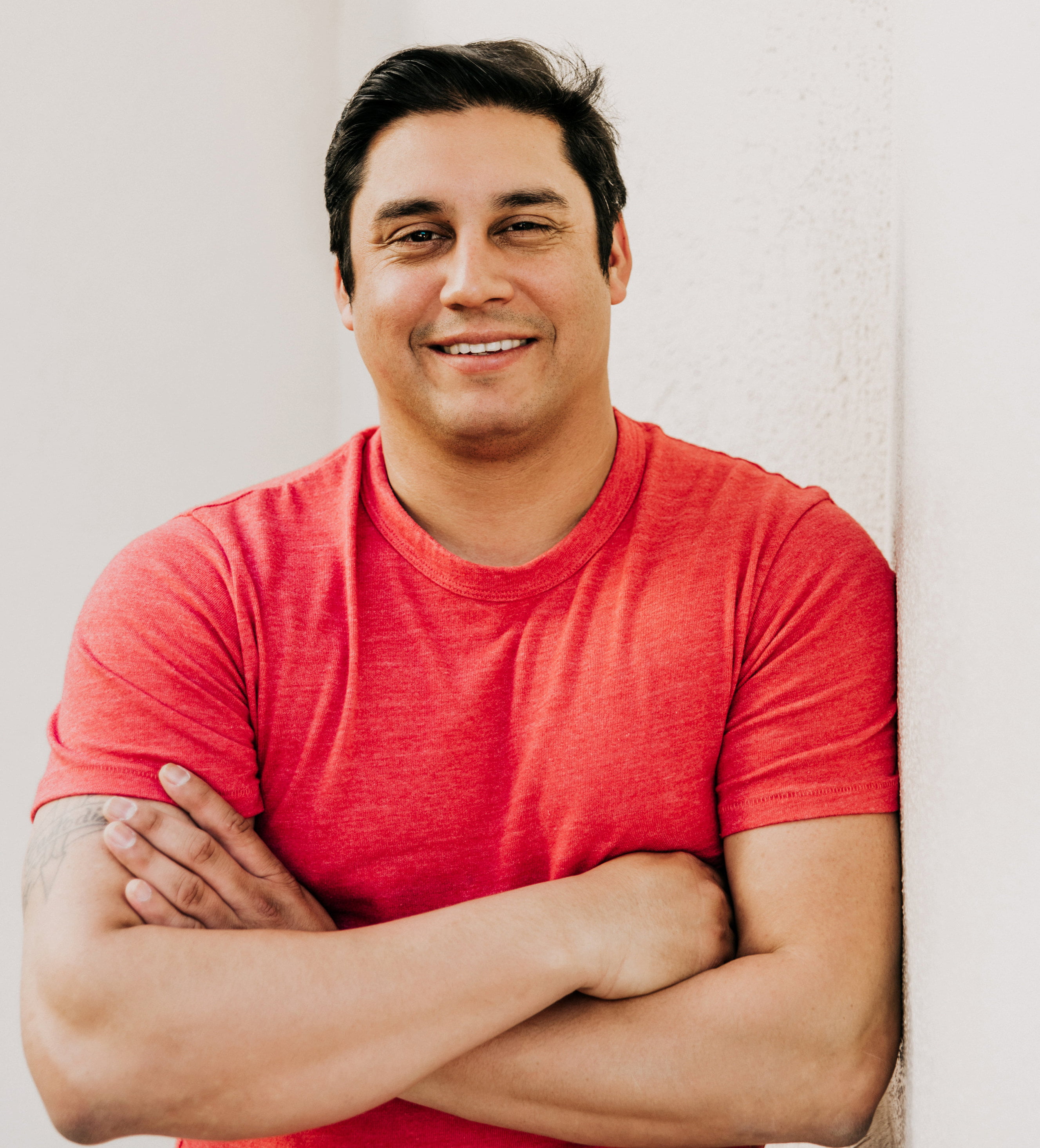
Jaymes Quirino
As a 15 year music industry veteran, Jaymes owns a wealth of experience and knowledge regarding the inner workings of studio life. Having worn a plethora of hats—first as the studio manager for the famed Mastering Lab under Doug Sax, then as a concert producer and artist consultant for Eric Burdon & The Animals, to project manager for the P&E Wing of the Recording Academy, to studio director of The Bakery and manager of Boulevard Recording—no stone will be left unturned when he "retires." As a musician first, Jaymes approaches every endeavor with passion and technical expertise, seamlessly blending his love of music with a strong command of technology
Staff Engineer
Timothy Jones
Timothy is in the room from setup to teardown — mic placement, patching, session flow. Exactly the kind of ears and hands you want on your sessions.
Assistant Engineer
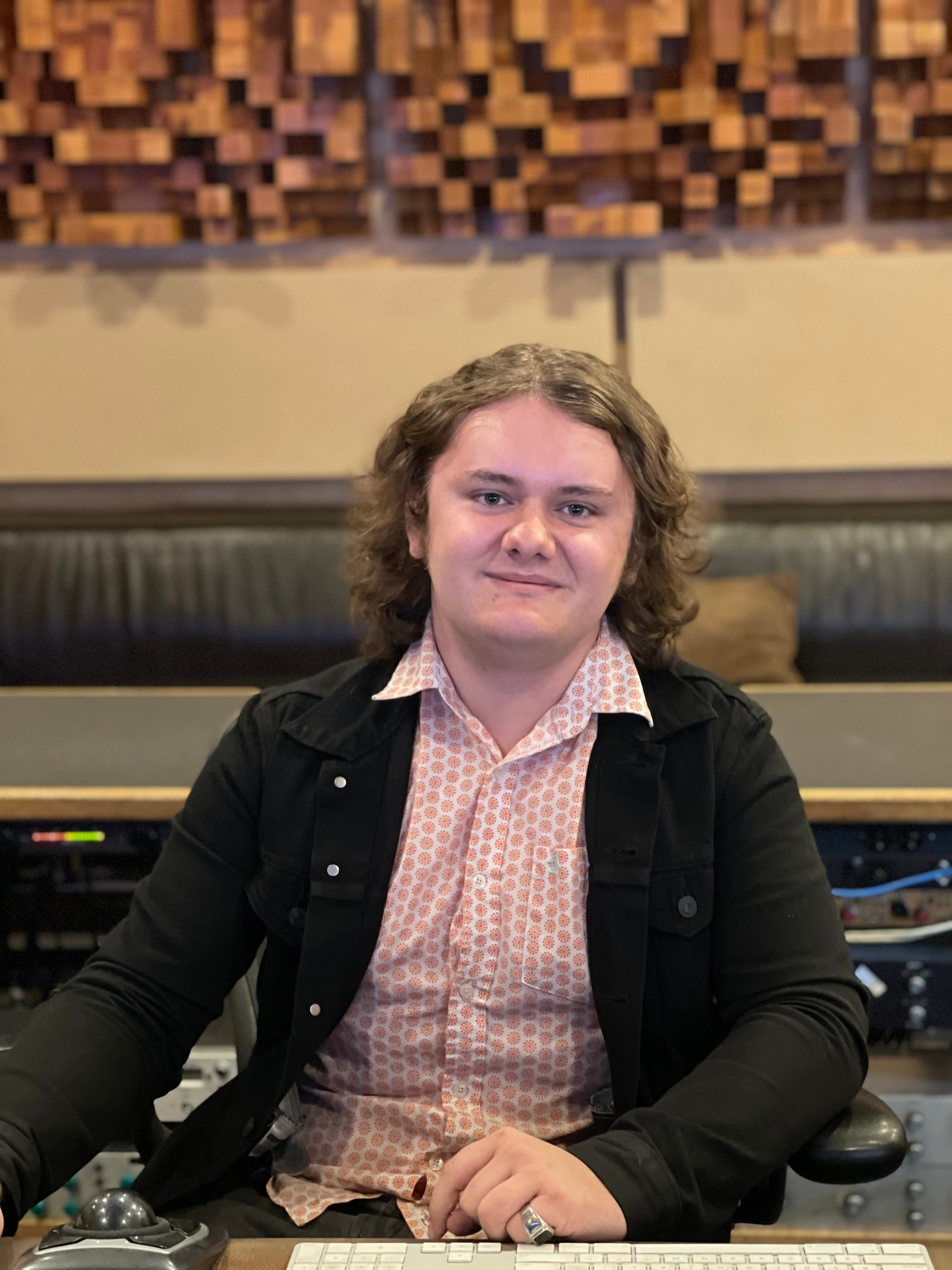
Sean Henry
Sean brings the same quiet competence to every session — prepared, fast, and fully invested in getting the sound right. Part of what makes Boulevard run the way it does.
I've worked on every major console imaginable in my career, and I can honestly say there's nothing that touches this thing. It's genuinely that unique.
Clay Blair · On the Sound Techniques ZR36
Press & Recognition
Some Writings
Boulevard Recording is perhaps the only classic Hollywood recording studio of this type that is still open today — a room with an intimate vibe and a focused atmosphere that the bigger complexes can't replicate.
Sound On Sound Magazine
Read the full article →
— His Hollywood-based studio, Boulevard Recording, is in a building with a long history, starting as Continental Sound Recorders in 1966, then most famously as Producers Workshop (Pink Floyd, Steely Dan), and later as Westbeach Recorders (owned by Brett Gurewitz of Epitaph Records/Bad Religion). Clay found it via a Craigslist ad that simply said, "Recording Studio." He got the studio up and running, then worked on a ton of projects, but a devastating November 2021 fire stopped everything in its tracks.
Tape Op
Read the full article →
— Adam Granduciel ofg The War on Drugs describes the studio as "a classic sounding room ... one of the unheralded classic LA studios.".
KCRW
Read the full article →
— Boulevard Recording also now sports a new Sound Techniques ZR36 console, featuring 24 in-line plus a dozen System 12 input channels, with 56 channels on mixdown. The brand, established in 1964, went out of business in the early 2010s but was resurrected by Danny White and his team a few years ago. Blair’s ZR is the first new Sound Techniques console to be delivered to a Hollywood studio since Jac Holzman put one into Elektra Sound Recorders in 1968, shortly after Sunset Sound installed theirs.
Mix Magazine
Read the full article →
— ...but if you want that ‘70s magic (with an impressive collection of vintage gear), you can’t beat the original.
LA Times
Read the full article →
— Blair comments on the Sound Techniques console, "People ask me what it sounds like. An API is punchy, with mid-range sparkle. A Neve is woolly and harmonic. This Sound Techniques is immediate, big and clear. Clear does not mean transparent; it means you get what you expect, in the best way possible."
Sound on Sound Magazine
Read the full article →